
New Septic Systems · Metro Atlanta
New installs and full system replacement, licensed and permitted, from design through final county inspection. Family-owned and local — new construction ready.
Licensed & insured · License #17954 IP-RCDP-ST · Permitted and code-compliant installs
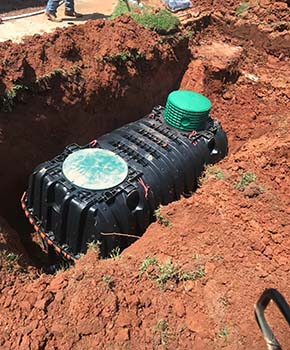
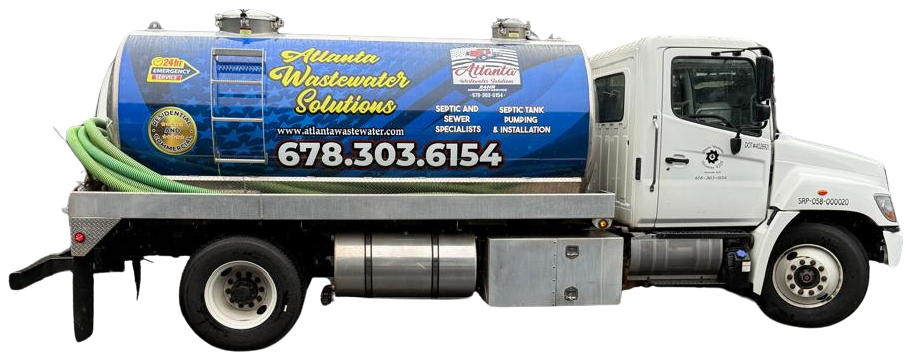
New Septic System Installation
Atlanta Wastewater Solutions installs new septic systems across Metro Atlanta and North Georgia — from a brand-new lot with no sewer access to a full replacement of a system that's reached the end of its life. Every install is licensed and permitted, engineered for the home and the lot, and code-compliant from the soil evaluation to the final county sign-off.
If you're comparing a repair to a full replacement, our drainfield installation and repair and septic tank pumping and maintenance pages cover the smaller fixes. This page is about a new system: new construction, a failed system that needs replacing, or a lot that needs a system it doesn't have yet.
Signs You Need One
Building on a lot with no access to public sewer
An existing system is past its service life and repairs no longer make sense
Repeated backups that a repair hasn't fixed
A drainfield that has failed and can't be rebuilt in place
A failed perc test on a new or undeveloped lot
A septic inspection came back bad ahead of a home sale
Adding bedrooms or capacity to a home beyond what the current system supports
The Process
We walk the lot and run the perc test / soil evaluation the county requires before any design work starts.
Tank size, drainfield type, and layout are sized to the home's bedroom count and the lot's actual soil and grade.
We submit the design for permit review. The county Environmental Health office approves the final design based on the soil evaluation and lot conditions.
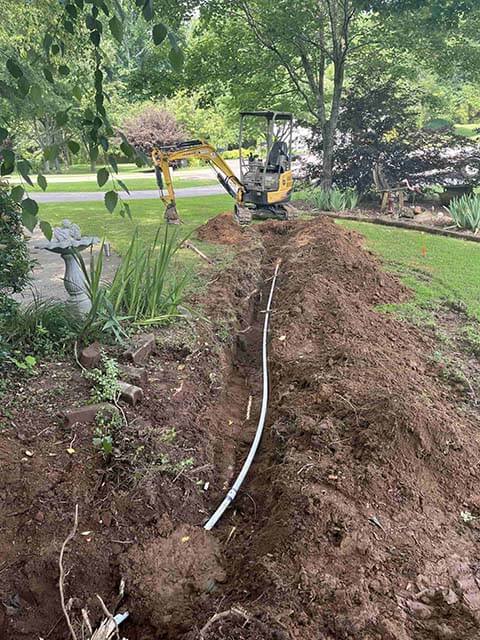
Once permitted, we set the tank, run the lines, and install the drainfield or alternative dispersal system.
The county performs a final inspection before backfill is complete, and we hand over the paperwork for your records.
The county Environmental Health office approves the final design based on the soil evaluation and the lot's conditions — that approval is what makes the install permittable, not just our recommendation.
Pricing
Cost depends on the system type, tank size, soil conditions, lot access, and what your county requires for the permit — there's no single number that applies to every lot. Here's what actually moves the price:
Conventional gravel system: $8,000–$12,000
Engineered / alternative system: $12,000–$25,000+
Every lot is different — a free site visit gets you a firm, written number.
A conventional gravel drainfield is the cheaper option when a lot's soil supports it. When soil is slow-draining, shallow, or the lot is tight or sloped, the county may require an engineered system instead — the added design and components are why those systems cost more, not markup. The only way to get a real number is a site visit; that visit and the estimate it produces are free.
Conventional vs. Alternative
A conventional gravel drainfield is the standard, most affordable option — but it only works where the soil and lot support it. When a perc test fails, soil is shallow or slow-draining, or the lot is tight, sloped, or close to a lake or creek, the county typically requires an engineered alternative instead.
Geotextile modules pre-treat effluent before it reaches the soil, shrinking the footprint a system needs — a common approval path on tight lots. See Eljen septic system installation.
Drip dispersal and pump-dosed systems handle shallow soil, slope, or limited usable area. See drip systems & alternative septic systems.
We'll always tell you honestly which system your lot and county will support — a conventional system is cheaper to build and maintain, so we don't recommend an engineered one unless the site requires it.
Where We Work
New septic system installation across Forsyth, Gwinnett, Hall, Fulton, and Dawson Counties, based near Buford. See our full service area list for cities and counties covered.
Common Questions
It depends on the system type, tank size, soil conditions, and county requirements, so we don't quote a number without seeing the lot. A site visit gets you a firm, written estimate, and the estimate is free.
Once permitted, most conventional installs take a few days on site. The permit process itself — soil evaluation, design, and county review — typically adds more time than the physical install does, so plan for that upfront.
Yes. Every new septic system in Georgia requires a permit from the county Environmental Health office, based on a soil evaluation and an approved design. We handle the permit submission as part of the install.
Tank size is set by the number of bedrooms in the home, per county sizing rules. We confirm the exact size during the design step.
Often, yes. A failed conventional perc test usually means an engineered system — like an Eljen GSF or a drip dispersal system — is the path the county will approve. See our alternative systems page for how those work.
A well-installed, properly maintained conventional system commonly lasts 20-30+ years. Soil conditions, tank pumping frequency, and household water use all affect that lifespan.
Get Started
Family-owned and local. Call for a free site visit and a written estimate — no obligation.