Installation, service, and maintenance for businesses, property managers, and facilities across Metro Atlanta and North Georgia.
Commercial-Grade Service
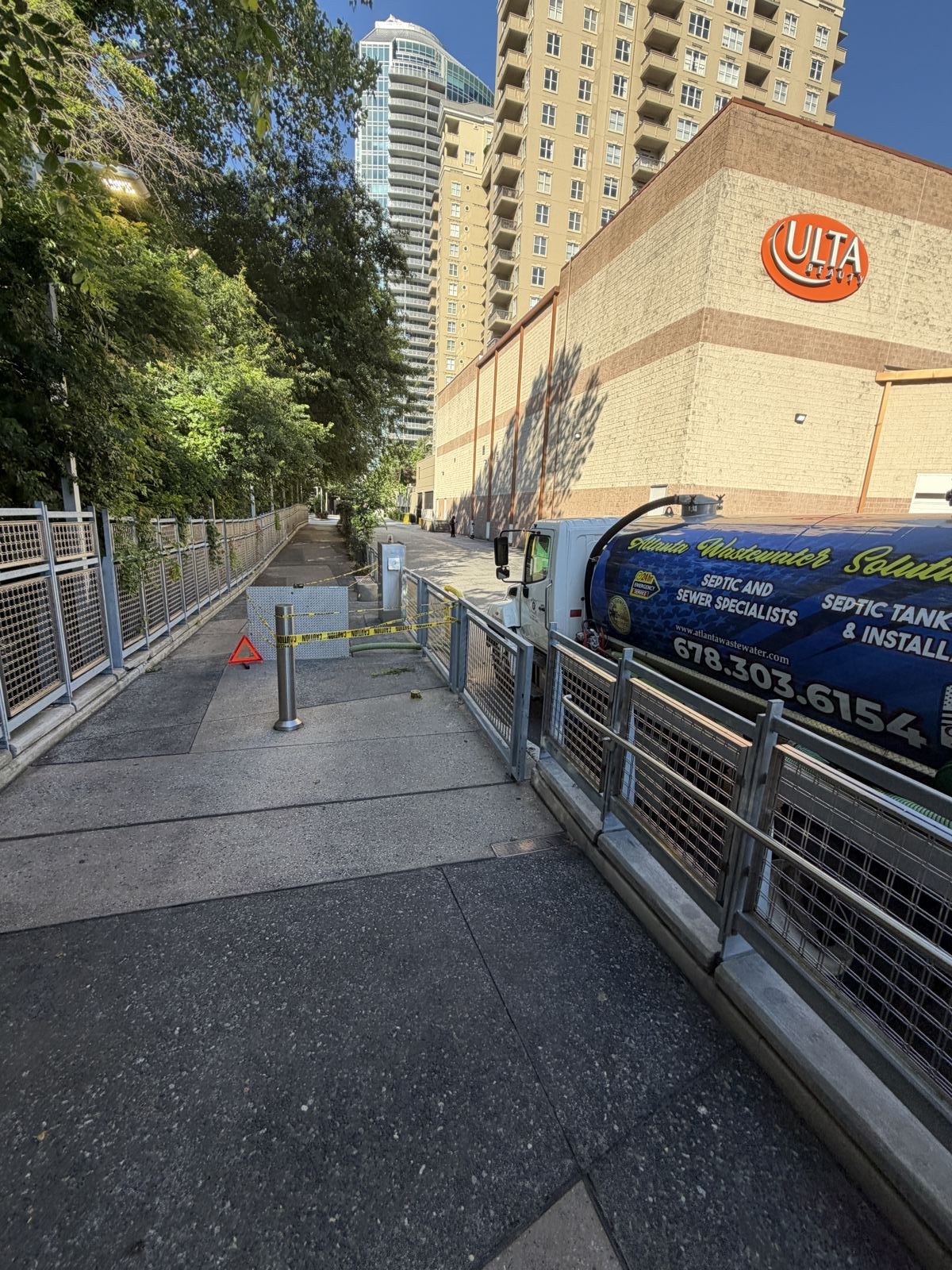
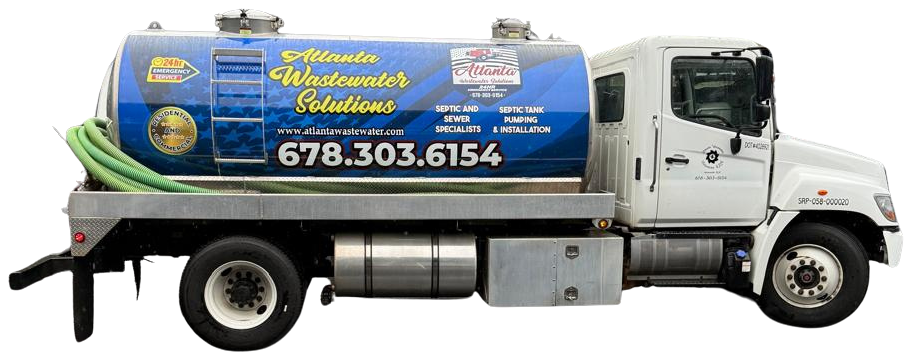
Commercial septic systems demand experience, precision, and fast response times. At Atlanta Wastewater Solutions, we specialize in designing, installing, servicing, and maintaining commercial septic systems for businesses, property managers, and facilities across Metro Atlanta and North Georgia. Commercial systems are larger, more complex, and held to higher regulatory standards than residential systems, and our team handles every phase of the lifecycle — from initial design through decades of ongoing maintenance.
Real Customer Reviews
★★★★★
"Atlanta Wastewater came out and quickly diagnosed my sewer blockage, cleared it, and got our complex back to operating quickly and reasonably!"
— Mark
★★★★★
"Our sewage pump failed at our store at night, they showed up immediately, and fixed it faster than the other companies we called could even come out for a quote!"
— Ashley Christine
★★★★★
"We called several contractors to look at our building, AWS was the most reasonably priced, and saved us thousands, without hassle."
— Eric Levstik
A commercial property may depend on several wastewater components, and each needs its own maintenance attention. Septic pumping removes accumulated solids from the tank. A grease trap captures fats, oils, and grease from kitchen wastewater. A lift station uses pumps, floats, and controls to move wastewater uphill. Servicing one component does not automatically resolve a problem in the others.
For restaurants and commercial kitchens, grease accumulation can restrict flow and contribute to odors or backups. Pumping frequency depends on use and local sewer authority requirements. Keep previous service documentation available when discussing a maintenance schedule. A change in kitchen activity or occupancy is useful context, especially if the existing schedule no longer matches the amount of wastewater being produced.
When requesting commercial service, identify the property address, the affected building or area, and whether the issue involves one fixture or several. Describe any pump alarm, unusual equipment noise, recurring odor, or visible wastewater without opening covers or approaching an unsafe area. Let us know whether the symptoms are continuous or appear during heavier use.
Existing tank locations, system drawings, pump information, and previous repair records can help explain the setup. If tenants or staff have reported different symptoms, gather those observations in one place. Note any gates, vehicle restrictions, or busy pedestrian routes near the equipment so access can be discussed. Do not move heavy covers or attempt electrical troubleshooting to obtain details.
Commercial wastewater demand varies with the building's use. A restaurant, office park, and multifamily community should not be treated as interchangeable just because each has a tank. Tank capacity, solids accumulation, grease loading, and equipment condition are useful subjects for a maintenance discussion. Review repeated callouts as well as the date of the last pumping.
A backup that returns soon after pumping deserves further investigation rather than an assumption that another pump-out is the complete answer. Damaged components, blocked lines, a saturated drainfield, or lift station faults can require different work. Ask which part of the system the proposed service addresses and what findings would change the repair recommendation.
For an active sewage backup, overflowing wet well, or lift station alarm, call to discuss emergency service. Keep staff, customers, and tenants away from affected areas, and reduce wastewater use where it is safe and practical. Do not enter a wet well or touch controls in a flooded area. Describe the operational impact when you call, including any affected restrooms or kitchen drains.
For planned repairs or installation, use the estimate request to describe the existing system and the intended work. Include any available county requirements or inspection concerns. A useful scope distinguishes pumping, component repair, drainfield work, and replacement so the property manager can understand what is being considered.
We don't just pump tanks — we help protect your property, tenants, and business operations. Call now for a free estimate.
Call (678) 303-6154